

Learn how to file a state tax return after moving...
Read MoreHow Tax Planning for Small Business Lakewood, CO Handles Uneven Revenue
Managing business taxes requires more than gathering receipts before a filing deadline. Owners need to understand their income, operating expenses, deductions, estimated payments, and financial changes throughout the year. Tax planning for small business Lakewood, CO helps business owners approach these responsibilities with better organization and preparation. A consistent plan can make tax obligations easier to manage while helping owners make informed decisions about their finances.
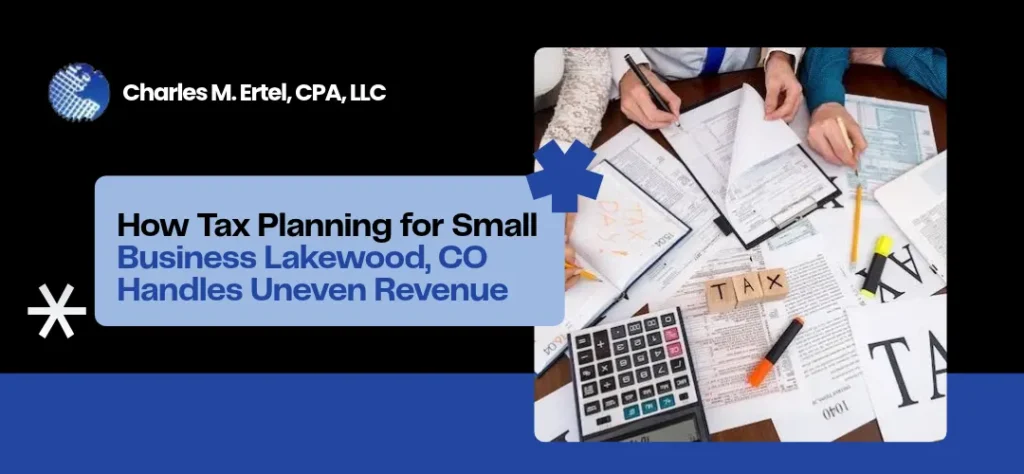
Why Tax Planning Matters for Small Business Owners
Tax planning helps business owners understand how financial decisions affect their tax responsibilities. Regular reviews of income, expenses, and business changes can prevent last-minute surprises.
Important planning steps include:
- Track income and business expenses.
- Separate personal and business transactions.
- Keep receipts and supporting records.
- Monitor estimated tax payments.
- Review major purchases and operational changes.
These habits support accurate reporting and smoother tax preparation.
Track Expenses and Identify Potential Tax Deductions
Business expenses can influence taxable income, making accurate recordkeeping an important part of tax planning. However, not every purchase automatically qualifies as a deductible business expense. Costs generally need to meet applicable tax requirements and have appropriate supporting records.
Common expense categories worth reviewing include:
- Office rent and utilities
- Employee wages and eligible payroll expenses
- Business insurance premiums
- Advertising and marketing costs
- Software subscriptions and business equipment
- Professional and accounting fees
Maintain invoices, receipts, bank statements, and payment records to support reported expenses. Also, avoid mixing personal purchases with business transactions.
Business Tax Planning Strategies for Better Financial Control
Effective business tax planning strategies Lakewood, CO should consider both current financial activity and upcoming business needs. A business owner expecting higher revenue, hiring employees, or purchasing equipment may need to review how those decisions affect tax obligations.
For example, equipment purchases may involve depreciation rules or other applicable deductions. Hiring employees introduces payroll reporting and tax responsibilities. Significant changes in revenue may also affect estimated payments.
Business owners should consider these practical steps:
- Review income projections before making major purchases.
- Monitor cash flow and upcoming tax obligations.
- Evaluate eligible deductions with proper documentation.
- Review payroll responsibilities when hiring employees.
- Discuss major financial changes with a qualified tax professional.
These steps support better financial decisions without relying on assumptions about tax savings.
Prepare for Estimated Tax Payments and Important Deadlines
Some business owners must make estimated tax payments when withholding does not cover their expected tax liability. Review income and previous tax records to determine payment requirements and avoid potential penalties.
Track federal and Colorado tax deadlines, payroll filings, and other obligations. Update payment estimates when income changes and set aside funds to avoid cash flow problems.
Organize Records Before Business Tax Filing
Accurate documentation makes tax preparation more manageable. Missing receipts, incomplete income records, and inconsistent bookkeeping can delay filing and make it harder to verify financial information.
Tax preparation for small business Lakewood, CO can help owners approach filing with better-organized financial records and the information needed to prepare applicable returns.
Before tax season, gather:
- Previous federal and state tax returns
- Annual income and expense reports
- Business bank and credit card statements
- Payroll records and contractor payment information
- Equipment purchase documentation
- Loan interest statements and relevant financial documents
Review these records for missing information and inconsistencies. If your business uses accounting software, reconcile transactions regularly and confirm that financial reports reflect actual business activity.
Avoid Common Tax Planning Mistakes
Even businesses with steady revenue can experience tax difficulties when financial records and payment responsibilities are neglected.
One common mistake is waiting until filing season to review expenses. Another is assuming every business purchase qualifies for a deduction without checking the applicable requirements.
Business owners should also avoid overlooking payroll obligations, mixing personal and business spending, and ignoring changes to their business structure.
Accurate reporting depends on complete records and an understanding of applicable tax rules. When something is unclear, seek qualified guidance before submitting a return or making a significant financial decision.
How Professional Guidance Supports Business Tax Preparation
Professional assistance can help business owners understand filing requirements, review financial records, and prepare for upcoming tax obligations. The level of support needed depends on business size, ownership structure, transaction volume, and financial complexity.
Business tax preparation Lakewood, CO may involve reviewing income, expenses, deductions, supporting documents, and applicable federal and state filing requirements.
Business owners should ask potential tax providers about their experience, services, communication process, and availability beyond filing season. Understanding what is included helps establish realistic expectations and ensures the support matches the company’s needs.
Regular communication also gives owners an opportunity to discuss financial changes before they create additional reporting responsibilities.
Tax Planning Support From Charles M. Ertel, CPA LLC
Charles M. Ertel, CPA LLC provides tax and accounting support for individuals and small businesses. With more than 25 years of accounting and tax experience, the firm offers personalized guidance, business tax preparation, and assistance with financial responsibilities. Business owners can discuss their records, filing needs, and planning concerns to understand which services may suit their circumstances. Contact Charles M. Ertel, CPA LLC to discuss your business tax needs and request professional guidance.
Frequently Asked Questions
Tax planning should begin early and continue throughout the year. Regular financial reviews give owners time to organize records, monitor estimated payments, and address changes before filing deadlines.
Track expenses such as rent, utilities, advertising, insurance, payroll, software, and business equipment. Whether an expense qualifies for a deduction depends on applicable tax rules, business purpose, and supporting documentation.
Many retirement account owners must begin RMDs at age 73. Specific rules vary by account type, employment status, and beneficiary circumstances.
Organize income statements, expense records, bank statements, payroll documents, receipts, and previous returns. Reconcile financial records regularly and address missing information before filing.
Yes. Depending on the services offered, a CPA can help review financial information, explain tax responsibilities, prepare returns, and discuss planning considerations when business circumstances change.
RECENT POSTS

How to File a State Tax Return After Moving to Lakewood, CO
Learn how to file a state tax return after moving...
Read MoreHow Accountants for Individuals Lakewood, CO Review Side Income
Learn how accountants for individuals Lakewood, CO help review side...
Read More
How Professional Accounting Lakewood, CO Uncovers Costly Errors
Explore tax planning for small business Lakewood, CO, including expense...
Read More
How Employee Payroll Services Lakewood, CO Manage Deductions
Explore tax planning for small business Lakewood, CO, including expense...
Read More
How Tax Planning for Small Business Lakewood, CO Handles Uneven Revenue
Explore tax planning for small business Lakewood, CO, including expense...
Read More
Why Tax Accountants Lakewood, CO Examine Retirement Withdrawals
Learn how tax accountants Lakewood, CO review retirement withdrawals, taxable...
Read More