
Learn how to file a state tax return after moving...
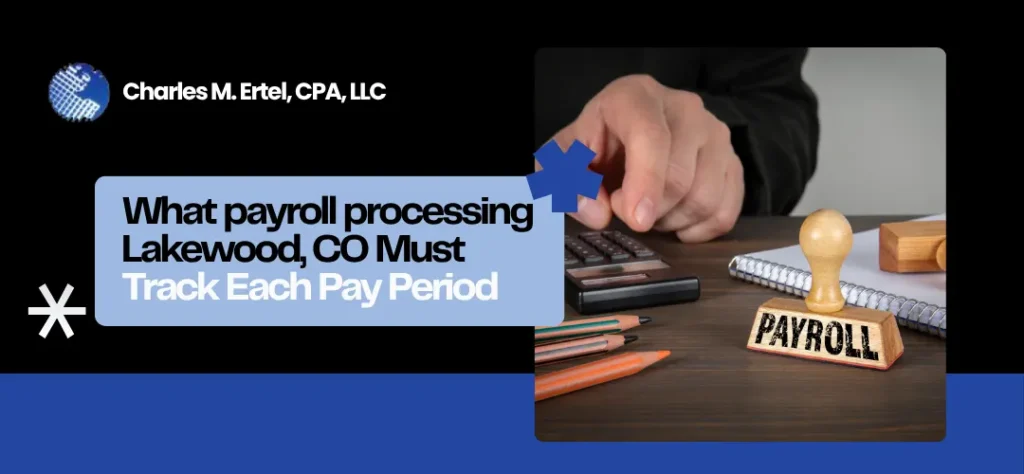
Read MoreWhat Payroll Processing Lakewood, CO Must Track Each Pay Period
Payroll involves more than calculating employee wages and issuing paychecks. Every pay period requires accurate time records, overtime calculations, tax withholding, benefit deductions, and payment documentation. Businesses using payroll processing Lakewood, CO should maintain organized records to identify discrepancies, meet filing deadlines, and provide employees with accurate pay statements.
Even small payroll errors can create problems when they affect multiple employees or continue across several pay periods. Missing work hours, outdated tax forms, incorrect deductions, and late tax deposits can lead to additional administrative work and potential penalties. A consistent payroll checklist helps business owners review these details before approving payments.
1. Verify Employee Hours and Wage Calculations
The first step is checking how much each employee earned during the pay period. Compare submitted timesheets with attendance records, approved schedules, and documented leave. Look for missing clock-ins, duplicate entries, incorrect shift hours, and changes to employee schedules.
Hourly employees require particular attention because their earnings depend on recorded working hours. Salaried employees also need accurate records of paid leave, absences, and compensation adjustments.
Before approving payroll, review:
- Regular working hours and applicable pay rates.
- Overtime hours and corresponding compensation.
- Approved paid time off and sick leave.
- Bonuses, commissions, and additional earnings.
- Corrections from previous pay periods.
Under federal law, covered nonexempt employees generally receive overtime at one and one-half times their regular rate for hours worked beyond 40 during a workweek. Employers should also check applicable Colorado requirements.
2. Review Federal and Colorado Tax Withholding
Employers should review federal income tax withholding, Social Security, Medicare, Colorado income tax, and applicable unemployment insurance obligations each pay period. Keep employee Form W-4 information and Colorado withholding details current, as changes to compensation or withholding elections can affect payroll calculations and payment accuracy.
3. Check Employee Benefits and Authorized Deductions
Payroll reviews should include every authorized deduction and benefit adjustment. Health insurance contributions, retirement deductions, wage garnishments, and other applicable deductions can change an employee’s take-home pay.
Businesses arranging payroll service Lakewood, CO should ensure that deductions are recorded correctly and supported by current employee information.
Before finalizing payments, verify that:
- Benefit deductions match current enrollment records.
- Retirement contributions reflect employee elections.
- Garnishments follow applicable legal instructions.
- Approved deductions reach the correct employees.
- Reimbursements are properly documented and classified.
Employers should distinguish between pre-tax and post-tax deductions because they can receive different tax treatment. Incorrect classifications may affect taxable wages and year-end reporting.
4. Maintain Accurate Pay Statements and Payment Records
Employees need clear pay statements explaining how their compensation was calculated. Colorado employers must provide itemized written pay statements showing gross wages, deductions, net wages, and the inclusive dates of the pay period.
Payment documentation should also establish when wages were issued and how transactions were completed.
Maintain records of:
- Employee names and payment details.
- Gross earnings and total deductions.
- Final net pay amounts.
- Pay period beginning and ending dates.
- Payment dates and transaction confirmations.
Colorado generally requires regular pay periods no longer than one calendar month or 30 days, whichever is longer. Wages are generally payable within 10 days after the pay period closes, subject to applicable exceptions.
5. Monitor Payroll Tax Deposits and Filing Deadlines
Calculating payroll taxes correctly is only part of the responsibility. Employers must deposit withheld taxes and employer contributions according to applicable deadlines.
Federal employment tax deposits generally follow monthly or semiweekly schedules, depending on the employer’s tax liability during the IRS lookback period.
Businesses should monitor:
- Federal tax deposit deadlines.
- Quarterly employment tax returns, including Form 941 when applicable.
- Federal unemployment tax obligations and Form 940.
- Colorado wage withholding returns and payments.
- Annual employee wage statements, including Forms W-2 and W-3.
Colorado withholding filing frequency depends on annual withholding liability. A payroll calendar with assigned responsibilities and payment confirmations can help prevent missed deadlines.
Business owners managing separate income-tax obligations may also need to know how to track my tax return Lakewood, CO. Payroll tax deposits and income-tax refund tracking are different processes, so businesses should maintain separate documentation for each.
6. Organize Payroll Records and Reconcile Payments
Payroll records should remain organized and accessible rather than scattered across spreadsheets, emails, and accounting software.
The IRS generally requires employers to retain employment tax records for at least four years after filing the fourth quarter for the year. These records include wage payment information, employee details, withholding certificates, tax deposit confirmations, and filed returns.
Reconciliation is equally important. Compare payroll registers against bank transactions and accounting records to identify differences.
For example, a payroll register may show the correct employee payment while the bank statement reflects a duplicate transaction. Reviewing both records helps identify discrepancies and determine the necessary correction.
Businesses should also review their payroll procedures whenever they hire employees, change compensation, adjust benefits, or introduce new payment arrangements.
Payroll Support From Charles M. Ertel, CPA, LLC
Charles M. Ertel, CPA, LLC provides payroll and accounting support for businesses across Lakewood and Denver, Colorado. Its services include payroll setup, recurring processing, direct deposit, federal and state payroll tax calculations, employee pay stubs, recordkeeping, and year-end reporting. Businesses seeking company payroll services Lakewood, CO can discuss employee payment schedules, reporting requirements, and accounting needs with the firm.
Frequently Asked Questions
Employers should verify employee hours, pay rates, overtime, leave, bonuses, deductions, tax withholding, and final payment amounts.
The IRS generally requires employment tax records to be retained for at least four years after filing the fourth quarter for the year.
Federal deposit schedules generally follow monthly or semiweekly requirements. Colorado withholding schedules depend on the employer's annual withholding liability.
Identify the affected pay period, calculate the difference, document the correction, and determine whether an amended tax filing or additional payment is necessary.
RECENT POSTS

How to File a State Tax Return After Moving to Lakewood, CO
Learn how to file a state tax return after moving...
Read MoreHow Accountants for Individuals Lakewood, CO Review Side Income
Learn how accountants for individuals Lakewood, CO help review side...
Read More
How Professional Accounting Lakewood, CO Uncovers Costly Errors
Explore tax planning for small business Lakewood, CO, including expense...
Read More
How Employee Payroll Services Lakewood, CO Manage Deductions
Explore tax planning for small business Lakewood, CO, including expense...
Read More
How Tax Planning for Small Business Lakewood, CO Handles Uneven Revenue
Explore tax planning for small business Lakewood, CO, including expense...
Read More
Why Tax Accountants Lakewood, CO Examine Retirement Withdrawals
Learn how tax accountants Lakewood, CO review retirement withdrawals, taxable...
Read More