

Learn how to file a state tax return after moving...
Read MoreWhy Payroll Services Small Business Lakewood, CO Track Benefits
Employee benefits are an important part of compensation, but managing them requires more than offering health insurance or paid time off. Businesses must also track employee contributions, employer payments, deductions, and taxable benefits accurately.
Using payroll services small business Lakewood, CO helps employers organize these records, calculate employee compensation, and understand how benefits affect payroll expenses. A consistent tracking process also makes it easier to review compensation costs and prepare accurate year-end reports.
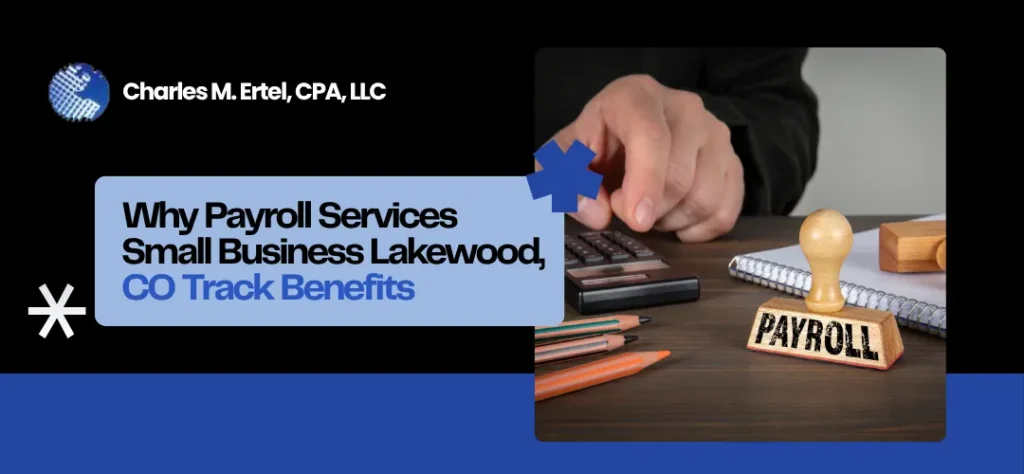
Why Employee Benefits Need Accurate Payroll Tracking
Employee benefits include health insurance, retirement contributions, paid leave, and other workplace perks. Organized records help businesses track eligibility, contributions, deductions, and leave balances while preventing payroll errors. Accurate tracking also helps employers understand total employee costs and prepare reliable year-end payroll reports.
How Payroll Systems Track Health Insurance Contributions
Health insurance costs may be fully covered by employers or shared with employees through payroll deductions. Payroll systems record both contributions, deduction amounts, and coverage details to maintain accurate payments. Employers should also update records whenever employees change plans, qualify for new coverage, or end their enrollment to prevent incorrect deductions.
How Retirement Contributions Affect Payroll Records
Retirement benefits require careful coordination between employee contributions and employer payments. Depending on the retirement plan, employees may contribute a percentage of their wages or a fixed amount from each paycheck.
Employers may also provide matching contributions according to the plan’s rules.
A properly organized payroll process helps track:
- Employee retirement deductions.
- Employer matching contributions.
- Contribution percentages and applicable limits.
- Changes to employee elections.
- Amounts transferred to retirement plan providers.
For example, when an employee changes their contribution percentage, payroll records should reflect the updated election starting with the appropriate pay period.
Businesses using company payroll services Lakewood, CO can also organize employee compensation records, deductions, and reporting responsibilities through a more consistent process.
Why Paid Leave and Sick Time Require Consistent Records
Paid time off is another important benefit that affects employee compensation. Businesses need accurate information about earned leave, used hours, and remaining balances.
Without consistent tracking, employees may receive incorrect leave balances or payroll calculations may fail to reflect approved absences.
A useful leave-tracking process should include:
- Recording employee leave eligibility.
- Updating earned vacation or sick hours.
- Documenting approved time-off requests.
- Subtracting used hours from available balances.
- Reviewing remaining leave during payroll processing.
Employers should also establish clear policies regarding accrual rates, carryover rules, and applicable Colorado requirements.
Keeping these records updated helps employees understand their available benefits and allows management to plan staffing around scheduled absences.
How Payroll Benefit Tracking Supports Tax Reporting
Not every employee benefit receives the same tax treatment. Certain benefits may be excluded from taxable wages when specific requirements are satisfied, while others must be included as employee compensation.
For example, taxable fringe benefits generally need to be included in employee wages and reported through the appropriate tax forms. Their value may also affect applicable employment tax calculations.
Employers should maintain records showing:
- The type and value of benefits provided.
- Employee payments or contributions.
- Employer-paid amounts.
- Applicable tax treatment.
- Required year-end reporting information.
These details are particularly important when preparing employee W-2 forms and reviewing payroll tax obligations.
Working with a payroll agency Lakewood, CO businesses can help organize payroll records, review benefit calculations, and manage recurring reporting responsibilities.
What Businesses Should Review Before Choosing Payroll Support
Not every payroll provider offers the same services. Some focus primarily on paycheck processing, while others provide broader support with employee records, tax filings, and compensation reporting.
Before choosing a provider, business owners should consider:
- Benefit tracking: Can the provider record employee deductions and employer contributions?
- Leave management: Does the service support paid vacation and sick leave records?
- Tax reporting: Are payroll tax calculations and required filings included?
- Reporting access: Can employers review payroll summaries and employee records?
- Data security: How are confidential employee and financial details protected?
- Ongoing support: Who handles corrections, payroll questions, and record updates?
When comparing the best accounting firms Lakewood, CO, businesses should also consider whether the provider understands payroll requirements alongside broader accounting and tax responsibilities.
A suitable provider should explain its services, fees, responsibilities, and reporting process before the business commits.
Manage Payroll and Employee Benefits With Charles M. Ertel, CPA, LLC
Charles M. Ertel, CPA, LLC provides CPA-led payroll services for small businesses across Lakewood and Denver, Colorado. Services include payroll setup, employee onboarding, direct deposit, payroll tax calculations, employee pay stubs, PTO and sick leave tracking, contractor payments, and year-end reporting.
Businesses can also discuss payroll support alongside bookkeeping and tax preparation needs. Need help managing payroll? Contact Charles M. Ertel, CPA, LLC today to schedule a consultation!
Frequently Asked Questions
Payroll tracking helps businesses record employee deductions, employer contributions, paid leave, and taxable benefits. Organized records also support accurate employee payments and year-end reporting.
No. Some benefits qualify for tax exclusions when specific requirements are met, while others are taxable compensation. Employers should review the applicable tax rules for each benefit.
Yes. Payroll systems can maintain leave balances, record approved absences, and update available hours based on company policies and applicable requirements.
Businesses should review benefit records whenever employees change coverage, contribution amounts, or employment status. Periodic payroll reviews also help identify missing information and incorrect deductions.
Outsourcing may be useful when payroll takes too much administrative time, employee records become difficult to manage, or tax reporting and benefit calculations require additional support.
RECENT POSTS

How to File a State Tax Return After Moving to Lakewood, CO
Learn how to file a state tax return after moving...
Read MoreHow Accountants for Individuals Lakewood, CO Review Side Income
Learn how accountants for individuals Lakewood, CO help review side...
Read More
How Professional Accounting Lakewood, CO Uncovers Costly Errors
Explore tax planning for small business Lakewood, CO, including expense...
Read More
How Employee Payroll Services Lakewood, CO Manage Deductions
Explore tax planning for small business Lakewood, CO, including expense...
Read More
How Tax Planning for Small Business Lakewood, CO Handles Uneven Revenue
Explore tax planning for small business Lakewood, CO, including expense...
Read More
Why Tax Accountants Lakewood, CO Examine Retirement Withdrawals
Learn how tax accountants Lakewood, CO review retirement withdrawals, taxable...
Read More